AvenitaNet
Kulturmagazin
Literatur, Musik, Design, Filme & Reisen

Lieber Leser!
Wir schreiben über unsere Lieblingsthemen aus der Welt der Literatur, Film, Kunst und Musik. Öfters gibt es auch mal Fotos, Anekdoten & Ansichten aus unserem geliebten Gastland: Andalusien, der südlichsten, manche würden sagen, schönsten Region Spaniens. Auf der Startseite finden Sie unsere aktuellen Blogbeiträge und Artikel. Falls Sie mal länger Zeit haben und mehr über unsere Themen lesen wollen, köinnen Sie auch unsere umfangreichen Feature-Artikel auschecken. Wir hoffen dass Sie unser Netzmagazin informativ und unterhaltsam finden. Ein Gruß von der Redaktion!
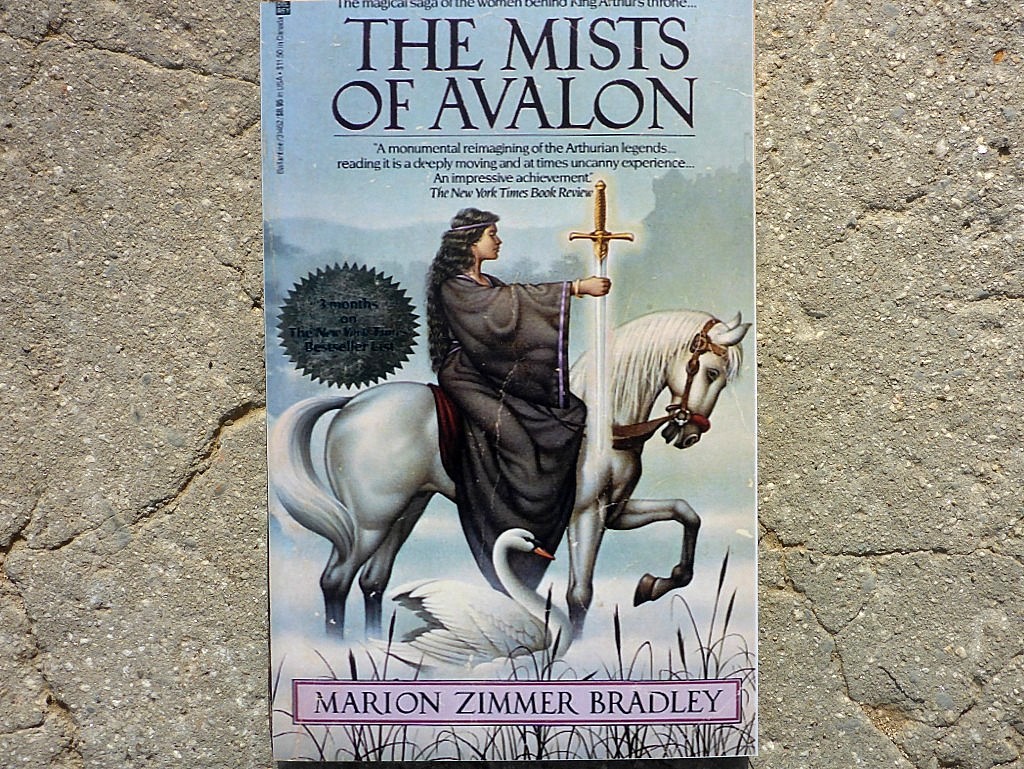
A German radio feature makes the case that no other book inspired the proliferation of the neopagan Wicca religion as the novel ‘The Mists of Avalon‘ (1983). The feature attests the book (though not Wicca in general) a certain Celtic blood and soil mysticism - maybe misinterpreting the fact that most myths and even retellings of myths tend to be quite self-referential
Continue reading...

Queens of the Stone Age - literally! Radio feature online about scientists who analysed the content of a stone age grave in Germany and found that this, above, is how 9000 years ago a female shaman looked whose grave was visited by pilgrims for centuries. BTW: That shaman look did inspire some bands
.
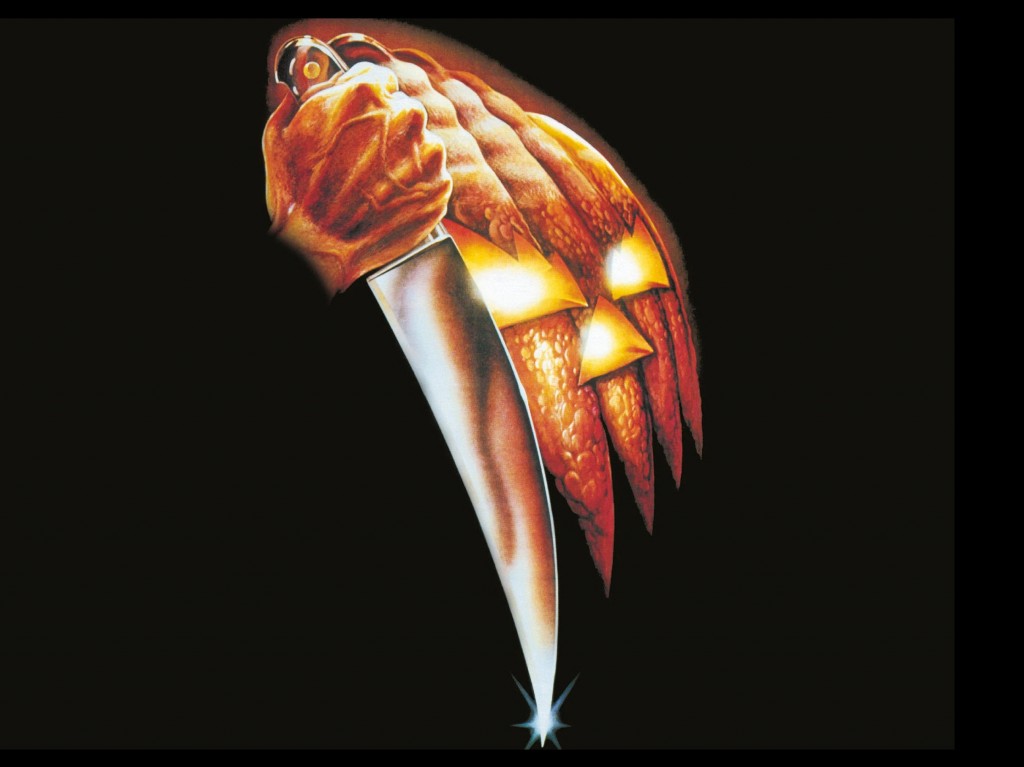
What with the autumnal All Saints' Eve, Samhain, All Hallows' Eve...or Halloween coming up at the end of October, there's a German radio feature about the obligatory horror movies which crop up in cinemas at this time of year - and a list of the top 50 horror movies allegedly scientifically proven to be the scariest
Continue reading...
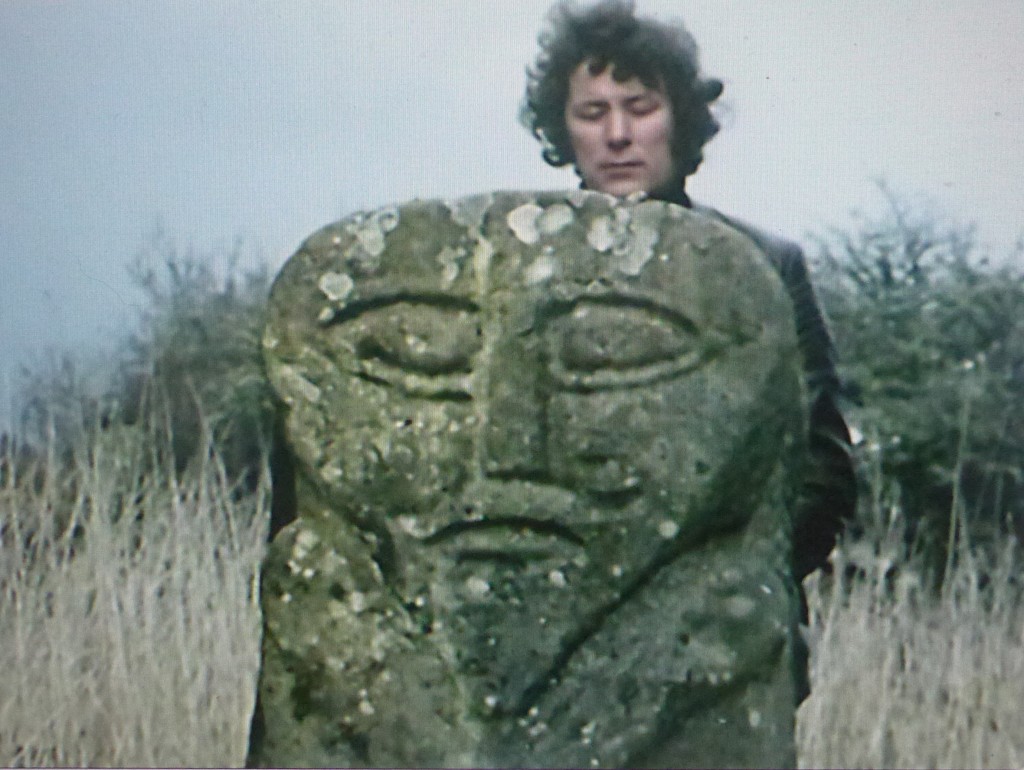
Interesting video clip from 1972 with Seamus Heaney (1939-2013). The renowned Irish poet and winner of the Nobel prize for literature filmed on a visit to the Northern Irish island Boa, where he looks at and ponders ancient Celtic statues of Janus-headed gods, probably originating from the Iron Age
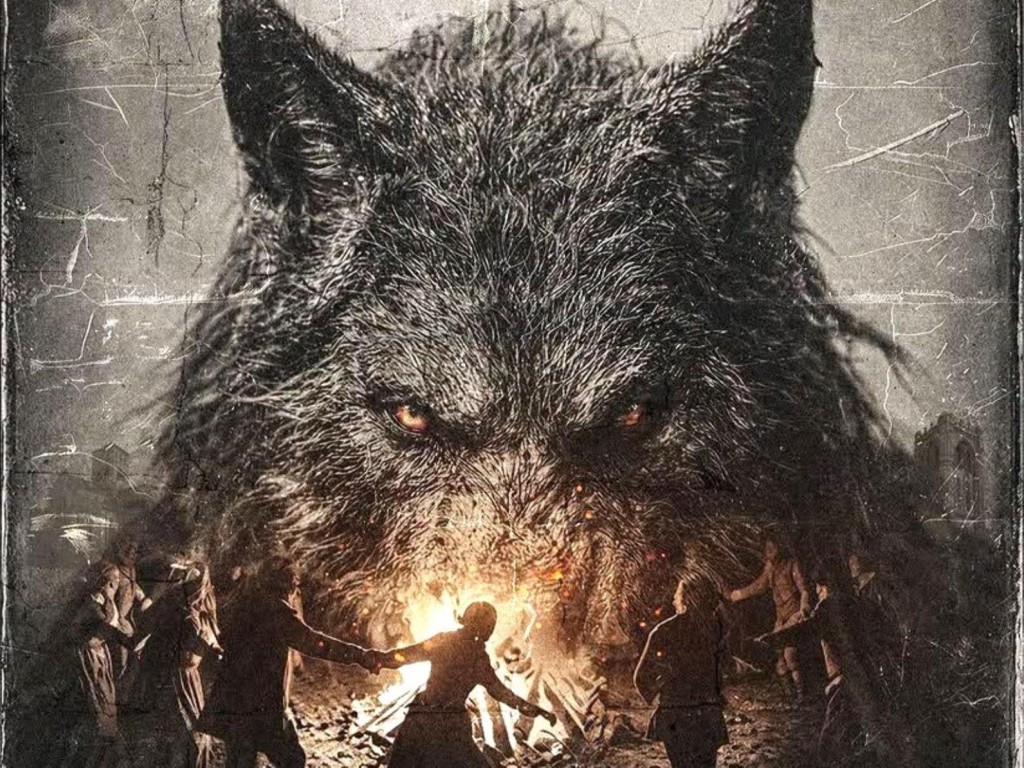
German radio feature (BR) explores the Werewolf myth: One of various interesting points is, that in most ancient cultures - even reflected in stone age cave paintings - there existed a wish to acquire the hunting abilities of animals like bears, lions...and wolves - which n the Christian era was interpreted as evil
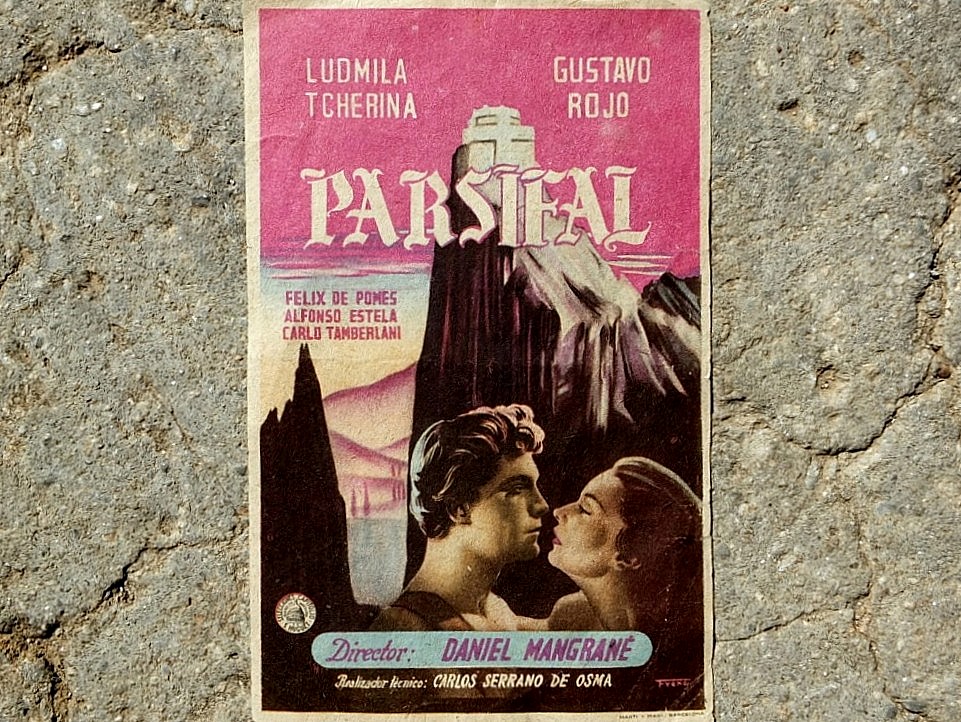
Poster of Spanish movie 'Parsifal' (1951) with French ballerina Ludmilla Tchérina - who played Irina in 'The Red Shoes' (1948) - as super seductive Kundry, check clip. In some archives there must be an English version, released 1955 as 'The Evil Forest'. It'd be nice to see that restored on DVD or Blu-ray one day
'Dort zu Spanien in dem Land war ihm der König wohlbekannt...' (Zeile aus Wolfram von Eschenbachs Versroman 'Parzival', der zwischen 1200 und 1210 entstand und Wagners Oper 'Parsifal' inspirierte)
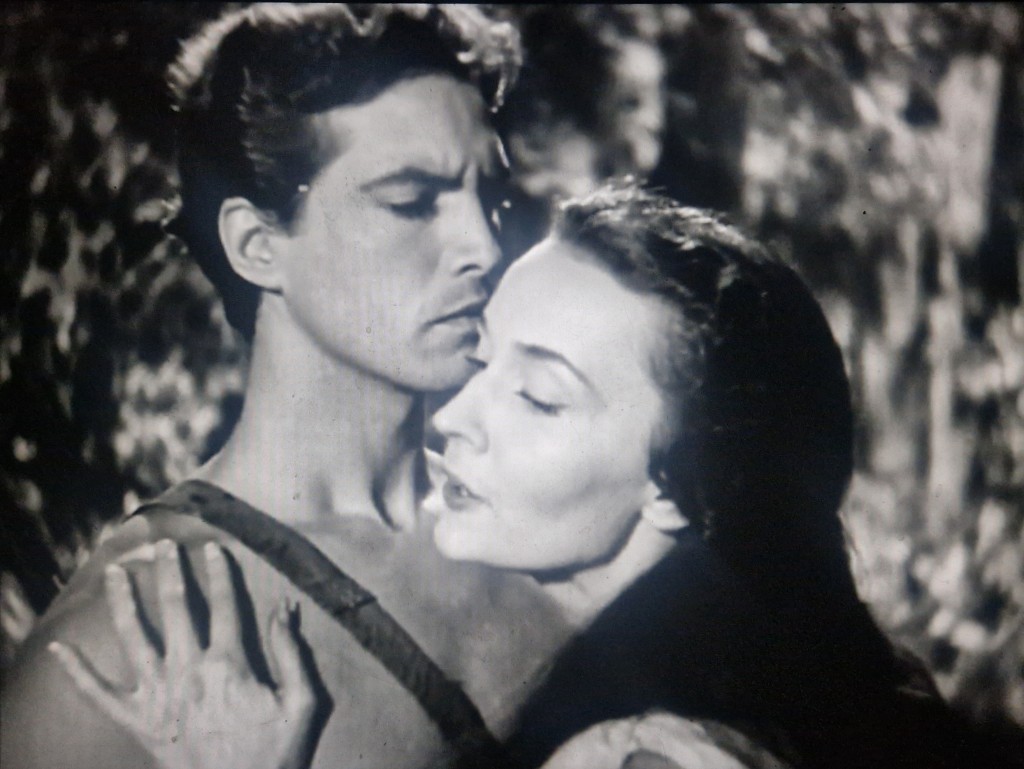
'Don't you understand? I have waited for you every night. I have kept for you my treasure that Amfortas could not obtain. I have seen you in dreams, and my nights were burning and empty without you..' Ludmilla Tchérina as Kundry in 'Parsifal' (1951)
'Verstehst du denn nicht? Ich habe jede Nacht auf dich gewartet. Ich habe meinen Schatz für dich aufbewahrt, den Amfortas nicht erlangen konnte. Ich habe dich in Träumen gesehen, und meine Nächte waren brennend und leer ohne dich...' (Ludmilla Tchérina als Kundry in 'Parsifal', 1951)
.
Wussten Sie schon? Ludmilla Tchérina spielt in 'Parsifal' (1951) nicht nur die dunkelhaarige Kundry, sondern auch Parsifals Mutter - die hier als blond, älter und anders gekleidet dargestellt wird. Ich glaube nicht, dass hier an Schauspielern gespart werden sollte, sondern dass darin eine Anspielung auf Parsifals komplexe Beziehung zu seiner Mutter enthalten ist. Wagner hätte vielleicht nicht viel von psychologischem Jargon à la 'Mutterkomplex' gehalten, aber der Begriff passt zu Elementen der Story, z. B. Parsifals isoliertes, vaterloses, überbehütetes Aufwachsen mit seiner Mutter. Und auch die Art wie Kundry Parsifals Fixierung auf seine Mutter ausnutzt, um ihn, als eine Art Stellvertreterin seiner Mutter, an sich zu binden. Indem Parsifal dann Kundry zurückweist, überwindet er den 'Mutterkomplex' und erfüllt, im Sinne der Story, seine eigene Bestimmung.
'Hör mir zu, Parsifal, gib mich nicht demjenigen, der dich so sehr hasst. Ich liebe dich. Ich würde sterben, um dich in meinen Armen zu halten. Ohne mich wärst du verloren. Erinnerst du dich nicht, als du mich zum ersten Mal sahst, den Namen deiner Mutter riefst? Hörst du ihr Weinen in meiner Stimme und siehst du ihre Angst in meinen Augen? Wenn immer eine Frau etwas begehrt, wird die Mutter wiedergeboren und kehrt an die Seite der Männer zurück. Deine Mutter will nicht, dass du für irgendjemanden stirbst. Sieh, wie ihr Mitgefühl hier in deinem Herzen weint.' (Ein weiteres Zitat, übersetzt, aus dem obigem Filmausschnitt von 1951 mit Kundry und Parsifal)
Könnte Sie auch interessieren Die amerikanische Dichterin Emily Dickinson: DLF-Hörspiel & Feature
Des Weiteren Emily Brontë: Romanklassiker ‘Sturmhöhe’ als NDR-Hörspiel von 2012 online
Geheimtipp Kate Elizabeth Russell: ‘Meine dunkle Vanessa’ als englisches Hörbuch online
Klassiker Charlotte Brontës Roman: ‘Jane Eyre’ als Hörbuch & NDR-Hörspiel online
Literatur Virginia Woolf: ‘Zum Leuchtturm’ als deutsches und englisches Hörspiel
Feature Das Sachbuch ’Sacred River‘: Die Themse in Kunst, Musik und Literatur
Austen Der biografische Spielfilm & ‘Stolz & Vorurteil’ als WDR-Hörbuch online
Kultig Cinemanía Magazin: ‘Die 50 besten Vampirfilme aller Zeiten’ (2025)
Musik BBC-Hörspiel ‘OK Computer‘ um Album-Klassiker von Radiohead
Epos Thomas Mann: ‘Der Zauberberg‘ als BBC-Hörspiel vom Jahr 2001
Und John le Carré: Spionagethriller ‘Die Libelle‘ als SWR-Hörspiel
Avenita Kulturmagazin
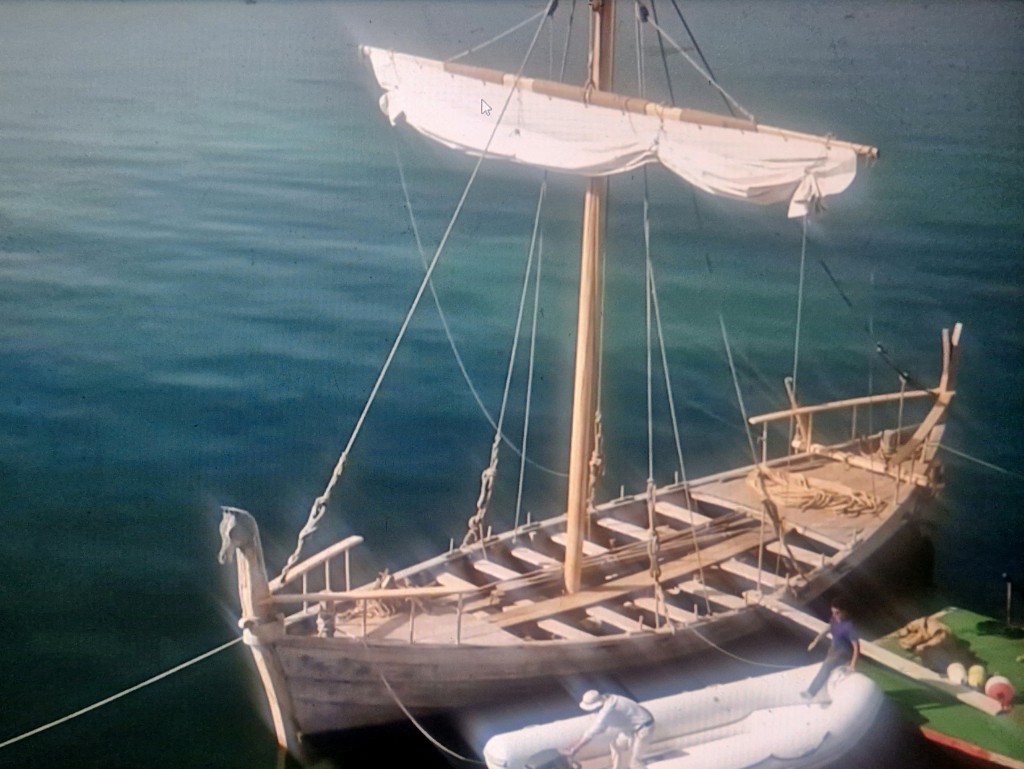
Nolan tried his best to make it plausible that hardened Trojan soldiers would have taken in a big hollow horse without looking into it. But was that 'wooden horse' maybe a metaphor for something else? German TV documentary online about that
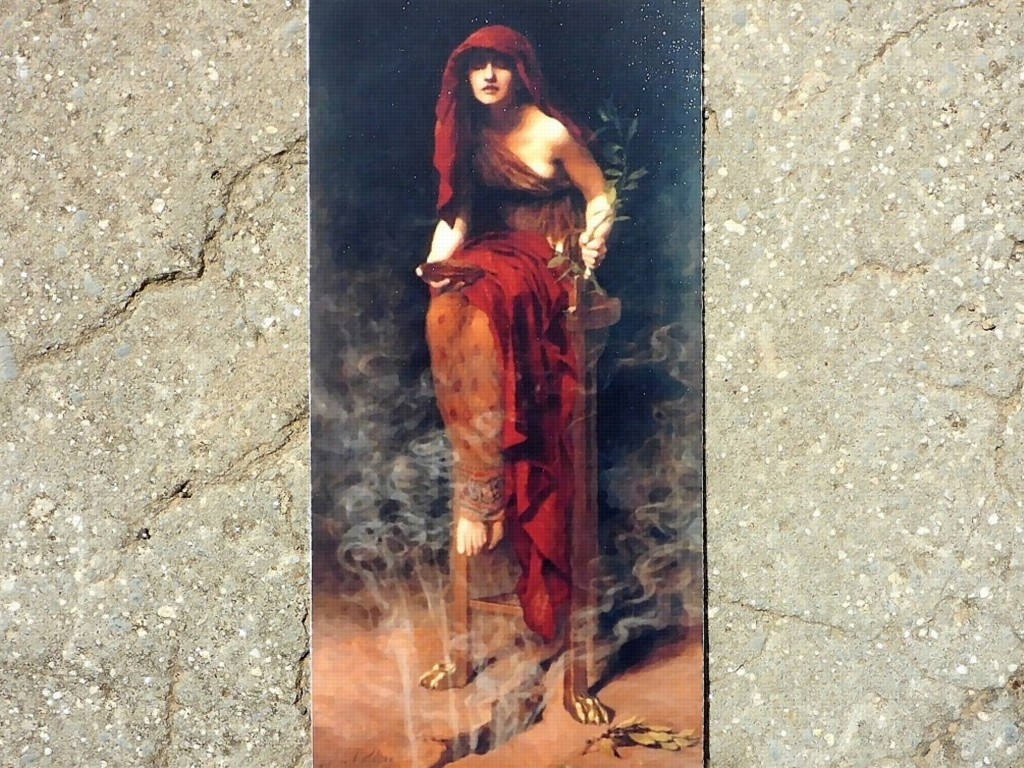
BR (Bayerischer Rundfunk) radio feature online about the Oracle of Delphi. Link below. As for the 1891 painting by John Collier (original is life-size 160 cm tall): It illustrates a possible scientific explanation - for instance hydrocarbon gases seeping from underground - for the visions of the priestesses of Delphi

Lots of trees in mythologies. Not least in the Bible. In Southern Europe it once was the sacred olive tree which Athena gave to mankind. In Northern Europe it's Yggdrasil - an ash or a yew tree which serves as a symbol of a cosmic order. Click pic and go choose a spot in one of the nine worlds of the world tree Yggdrasil - though maybe not the very hot one at the bottom! Also check out Myrkur's beautiful song 'Leaves of Yggdrasil'
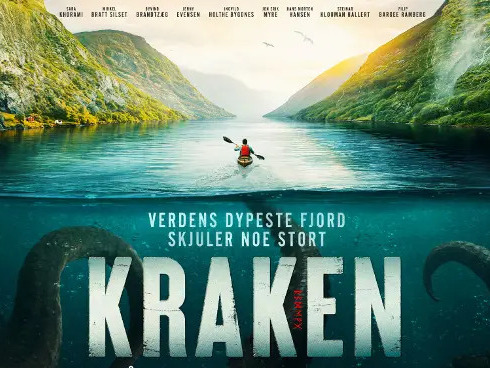
German SWR radio feature online about the Norwegian horror movie 'Kraken' (2026), see trailer. At first sight, the film location of Sognefjord, the longest and deepest fjord in Europe, makes for an interesting setting. But will the film have a 'Jaws effect'?
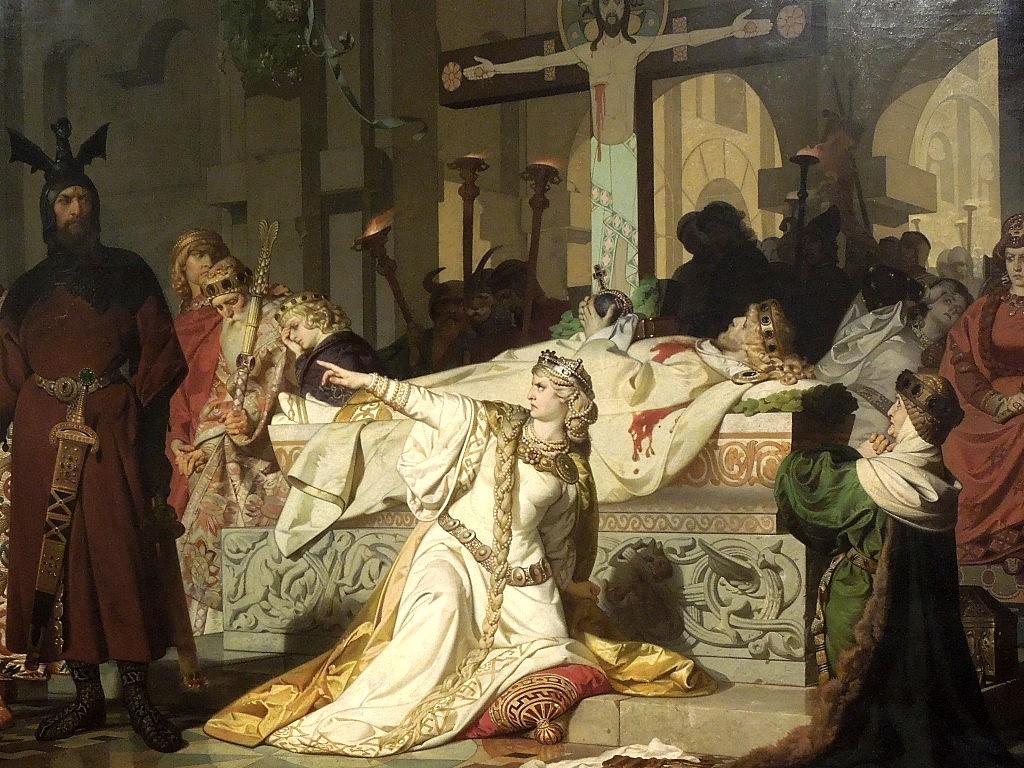
Legend of Kriemhild marrying the King of the Huns is based on the Germanic princess Ildico's marriage to Attila the Hun. In the Nibelungenlied Kriemhild marries him to extract revenge for the killing of her husband Siegfried by Hagen, seen, above, in the shadows. Basis of the new 'rock opera' Die Hunnenkönigin
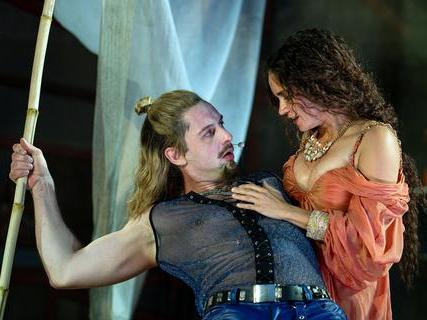
Wagner's 'Parsifal' may be the most famous interpretation of this Arthurian legend. But Wagner took the story from a 800 year old poem by Wolfram von Eschenbach - which is the basis of of new theatre performance in Bad Hersfeld 2026

Classy 1996 German audio drama production of Homer's Odyssey online. Maybe useful as a warm-up for Christopher Nolan's upcoming movie 'The Odyssey' (2026) with Matt Damon. Looks good to me. In fact, like a blockbuster. Update 16 July 2026: German SWR radio feature about the movie
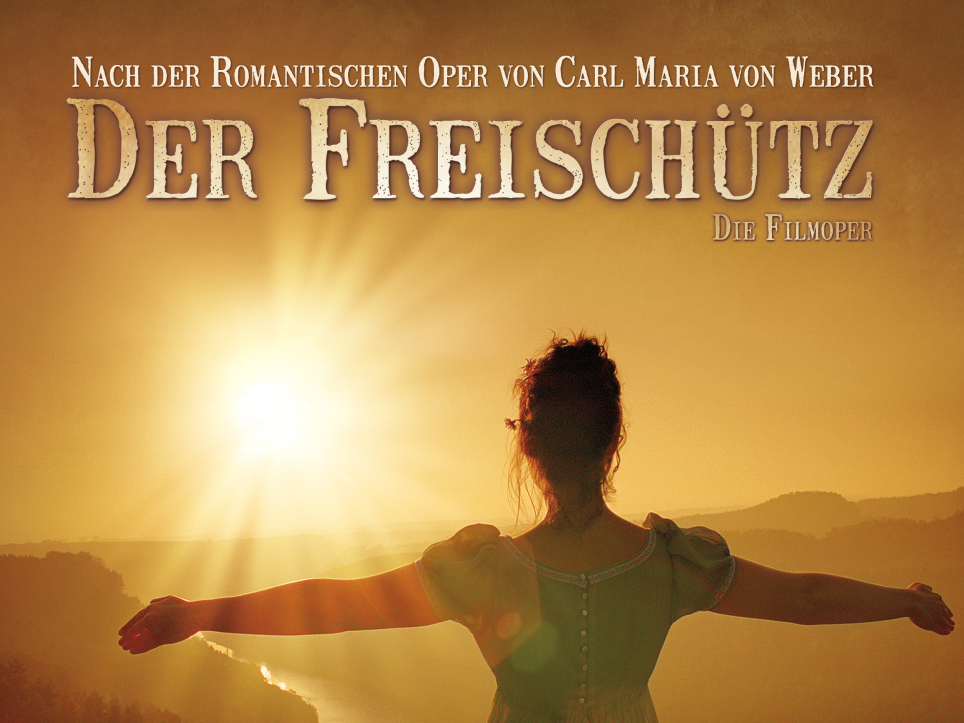
German radio feature online about the opera 'Der Freischütz' (1821), which means 'The Marksman' or in this context: The marksman with magical bullets - through a pact with the devil. Pic above is from a 2010 movie adaptation by Jens Neubert
Continue reading...
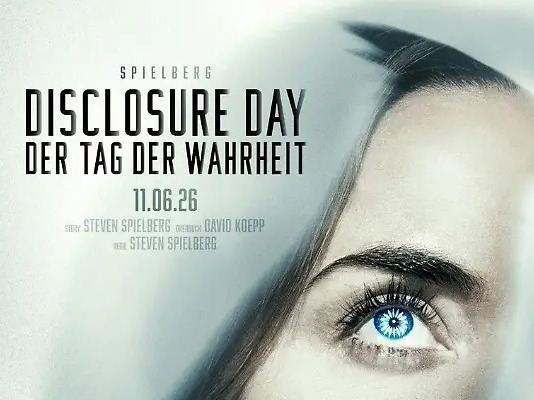
German radio feature online about Spielberg's 'Disclosure Day' (2026). Kind of a sequel to 'Close Encounters...' (1977). I like sci-fi like this - though I must admit that I don't believe in extraterrestrials on earth. I see all that as modern mythology
Continue reading...
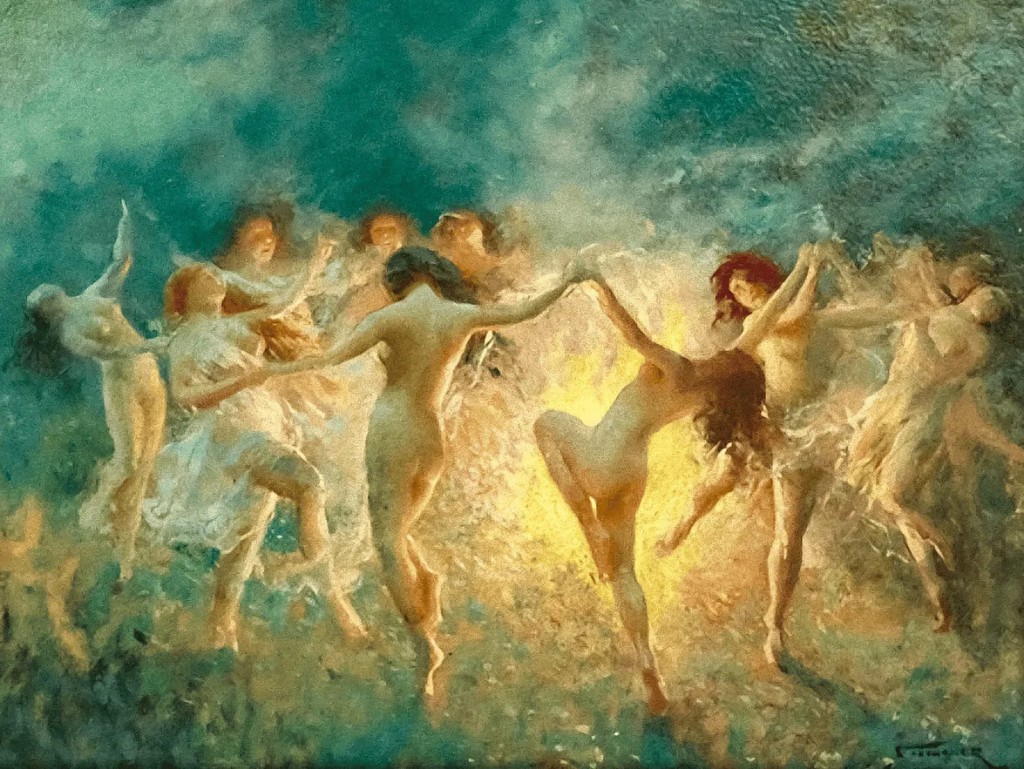
2026 German radio feature online at MDR (Mitteldeutscher Rundfunk) about Walpurgis Night (April 30 - May 1) and its connotations of witches supposedly dancing on the Blocksberg mountain in Saxony-Anhalt. Goethe, in his ballad 'The First Walpurgis Night', saw connections to the Celtic Beltane festival
Die erste Walpurgisnacht (1799)
Text: Goethe. Musik: Mendelssohn
(Ein Druide & Chor der Druiden und des Volkes)
Es lacht der Mai!
Der Wald ist frei
von Eis und Reifgehänge.
Der Schnee ist fort;
am grünen Ort erschallen Lustgesänge.
Ein reiner Schnee liegt auf der Höh’;
doch eilen wir nach oben,
begeh’n den alten heil’gen Brauch,
Allvater dort zu loben.
Die Flamme lodre durch den Rauch!
Begeht den alten heil’gen Brauch.
Hinauf! Hinauf! Allvater dort zu loben.
So wird das Herz erhoben.
Hier ein MDR-Radiofeature zum Thema (39 Min.)
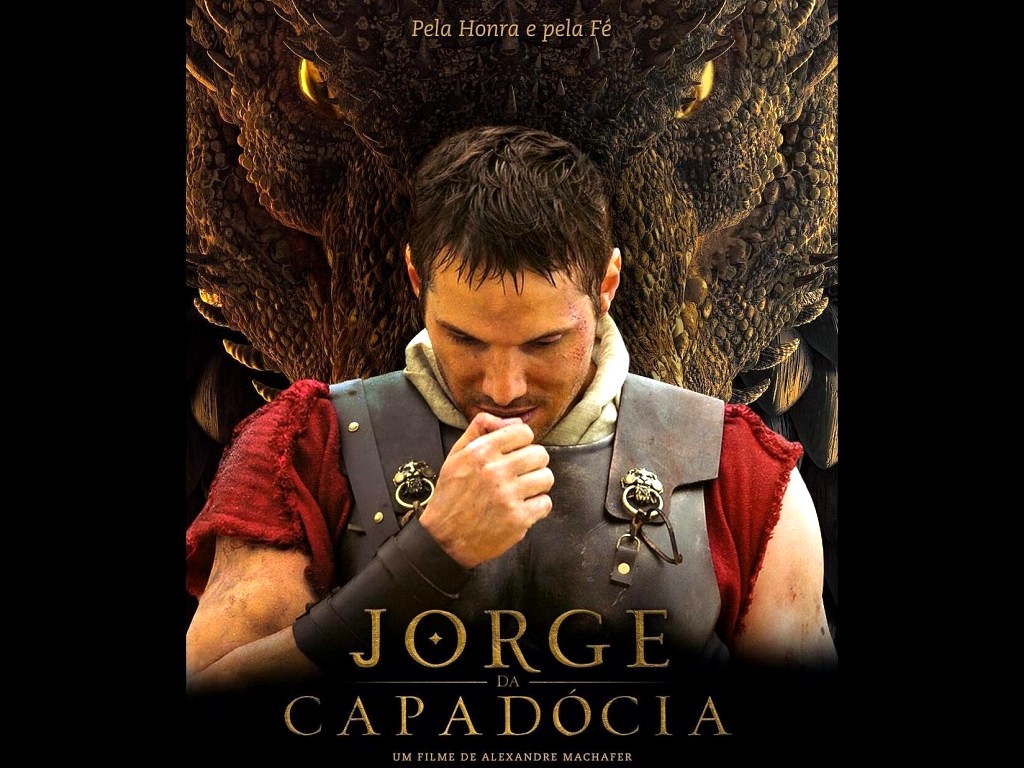
Saint George's Day, April 23, commemorates the British patron saint. He may have been a Roman soldier of Greek origin who was martyred in Palestine ca. AD 303 for refusing to renounce his Christian faith during Diocletian's persecution. Subject of the Brazilian movie 'Jorge da Capadócia', see trailer. Currently only available in Portuguese and French (as 'Saint Georges')
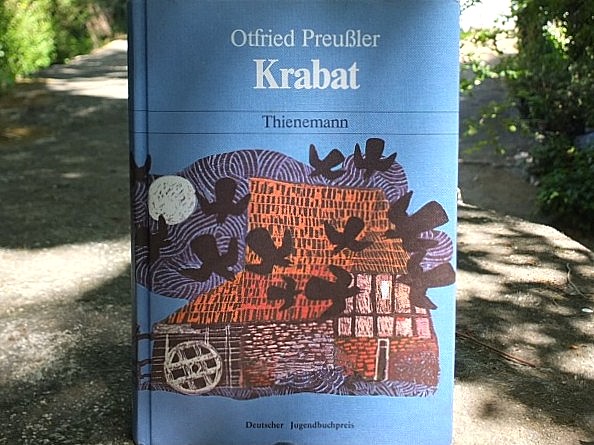
German radio feature online about the role of ravens and crows in literature and mythology: The Bible, the Epic of Gilgamesh, in Norse mythology, in Beowulf, Shakespeare, folk songs, Wagner's Ring des Nibelungen - and prog rock!
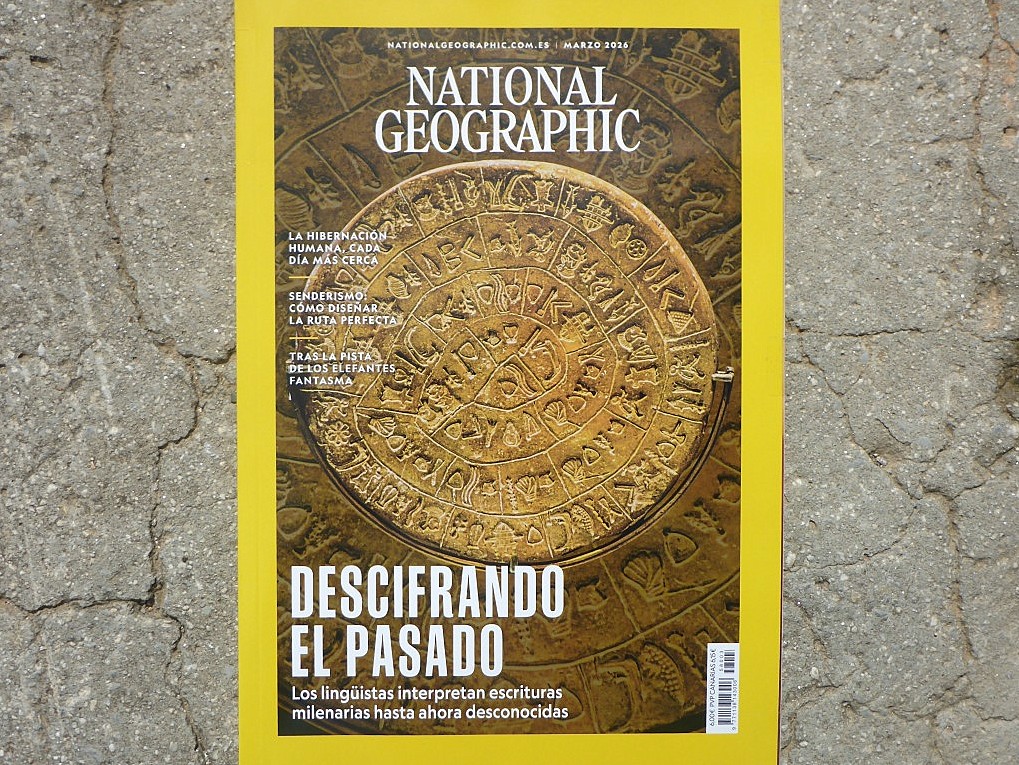
The cover story of the Spanish edition of National Geographic, March 2026, is a translation of the US January 2026 edition 'Decoding History's Lost Writing'. Though the Spanish edition, above, has a different cover: the undeciphered Phaistos Disc
Continue reading...

German radio feature about yew trees online. Not all of them are as old as the Fortingall Yew in a Scottish churchyard, above, which may be as old as 5000 years. But hundreds of yews are older than the church grounds on which they stand - as churches were often built on pre-Christian holy sites
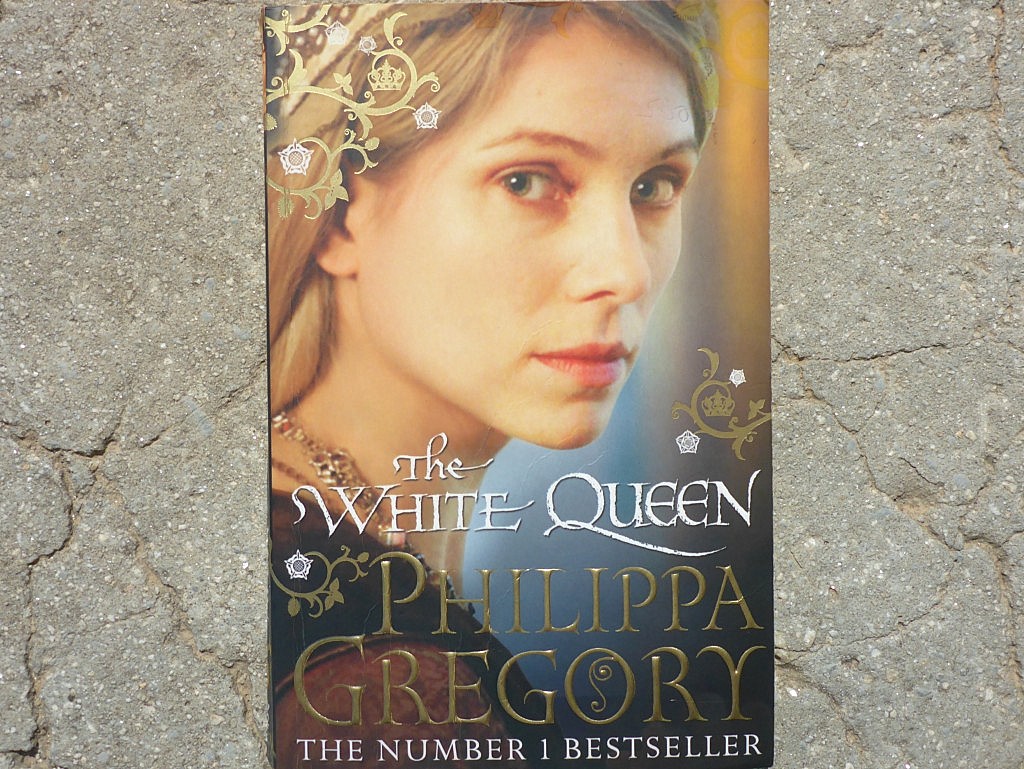
Philippa Gregory's excellent historical novel 'The White Queen' (2009), above my Simon & Schuster UK edition, is currently online as an audiobook. Set in 15th century England at the times of the War of the Roses. The TV adaptation is good too
Continue reading...
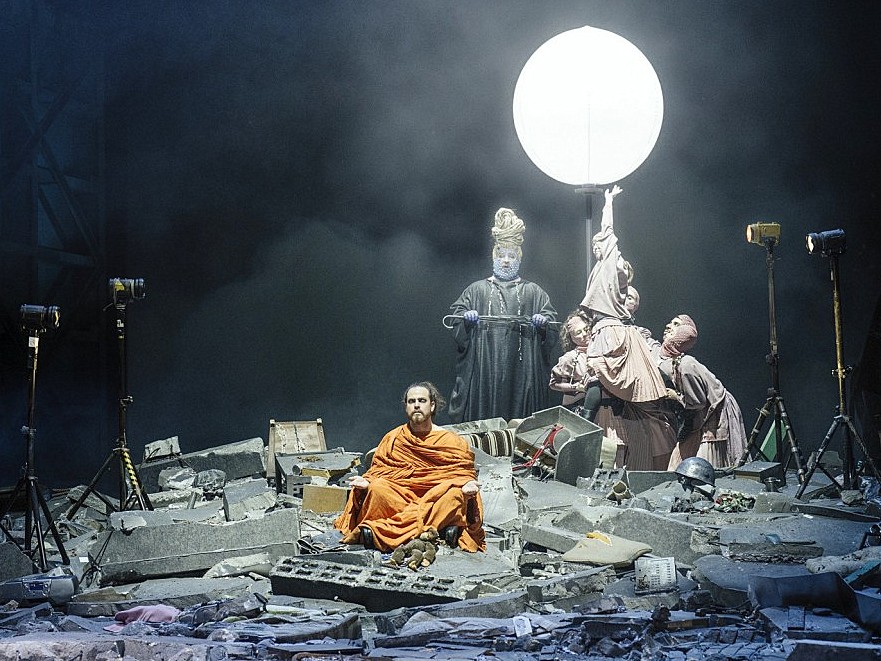
German radio feature online about the premiere 1. March at Theater Bonn of the opera 'Awakening' (2026), about Prince Siddhartha Gautama, the later Buddha. The opera is based on a dramatic poem by David Ruskin with music by Param Vir
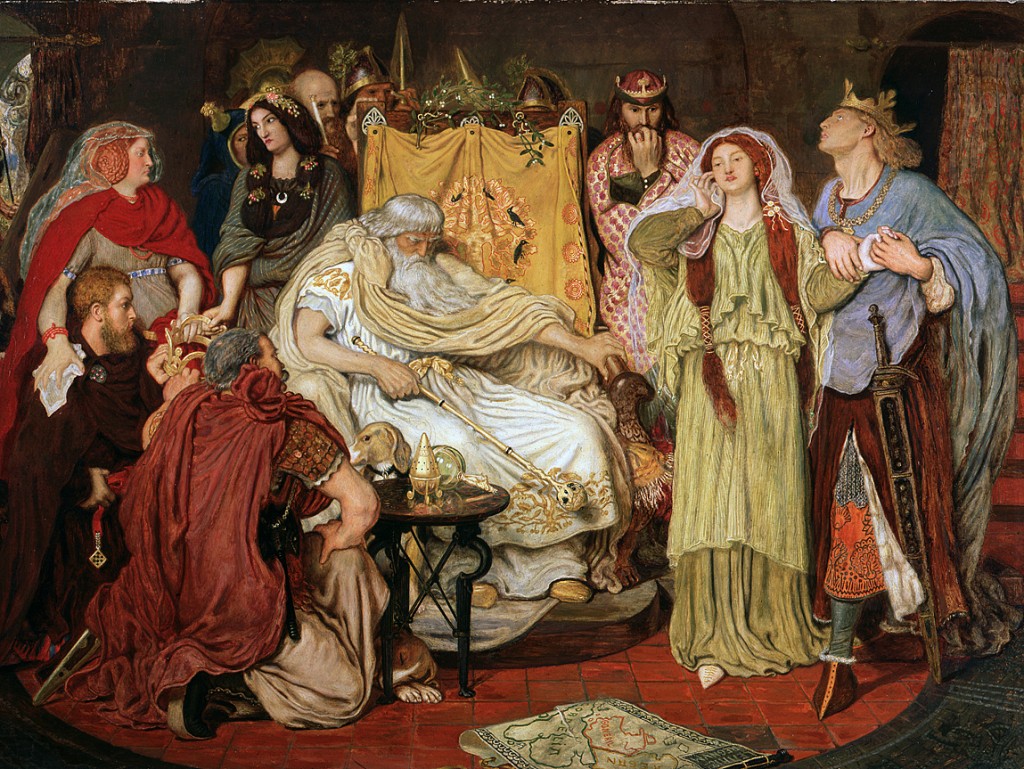
German radio feature online about 'Silence in Literature': In Shakespeare's 'King Lear' (1606) his daughters Regan and Goneril flatter the king to get more inheritance, while the silent Cordelia, on the right, who truly loves her father, is disowned
Continue reading...
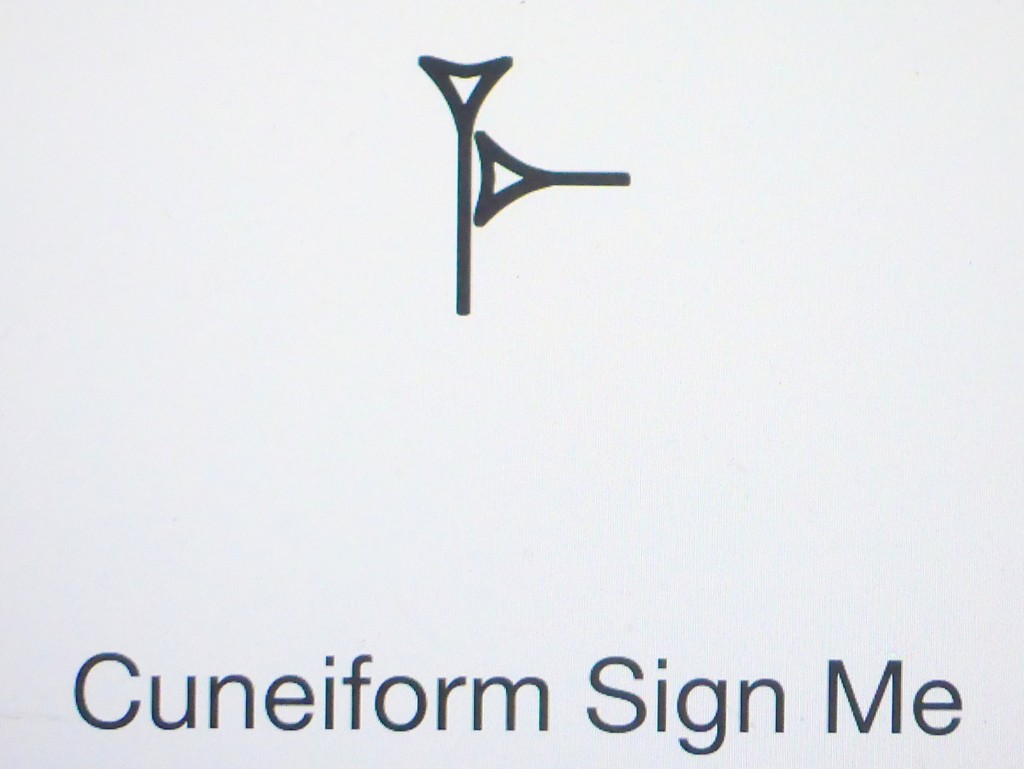
German radio feature online with Prof. Dr. Annette Zgoll about a central but until recently mysterious word in Sumerian language and culture: The word 'Me' - pronounced sort of 'meh' - occurs frequently in the context of important topics...and means: Ritual
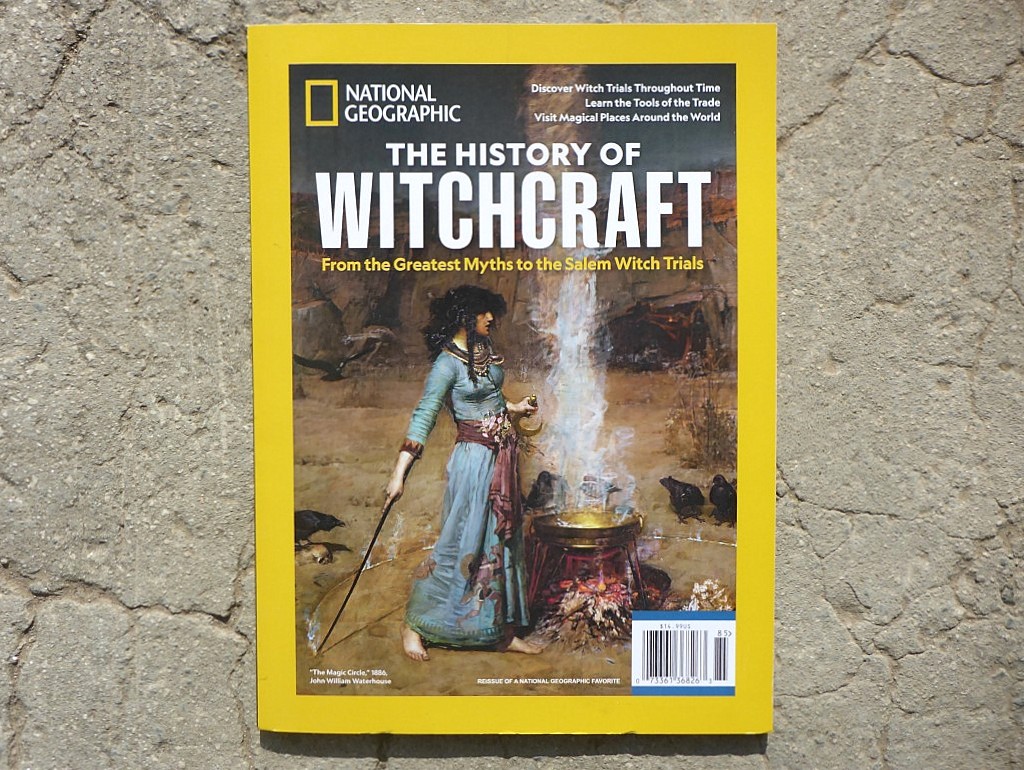
As I don't believe in magic, I look for rational explanations for the archetypes of witches and witchcraft. Curiously, a lot of activities attributed to witches have similarities with activities associated with early medicine: In the Waterhouse painting above, a witch prepares a 'magic potion' in a cauldron
Continue reading...
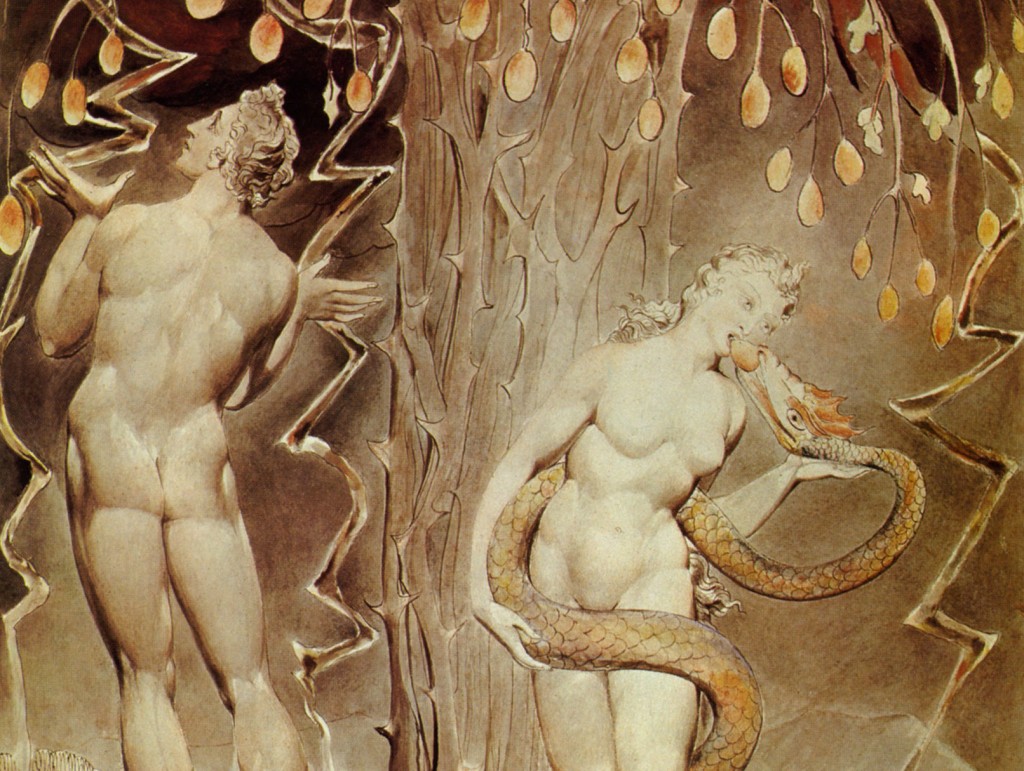
German radio feature about Adam and Eve. I keep saying that you don't have to be religious to find biblical stories like the Book of Genesis interesting. As someone who doesn't believe in the supernatural, I look for allegorical explanations for supernatural elements - some of which recur in various myths
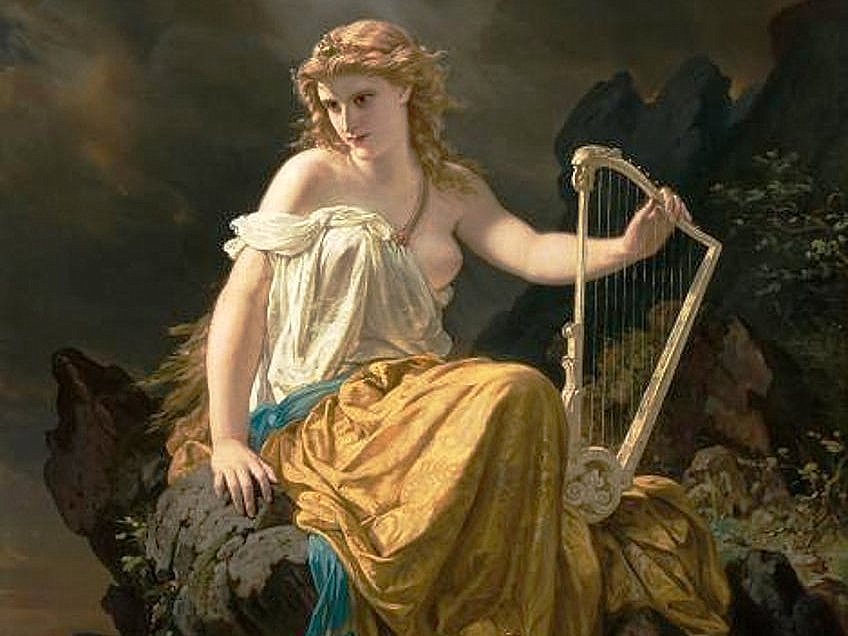
2025 German radio feature online about the Muses of Greek mythology: Goddesses who inspire music & literature. I don't believe in the supernatural, but many musicians have said that their works came from 'somewhere outside of them'.
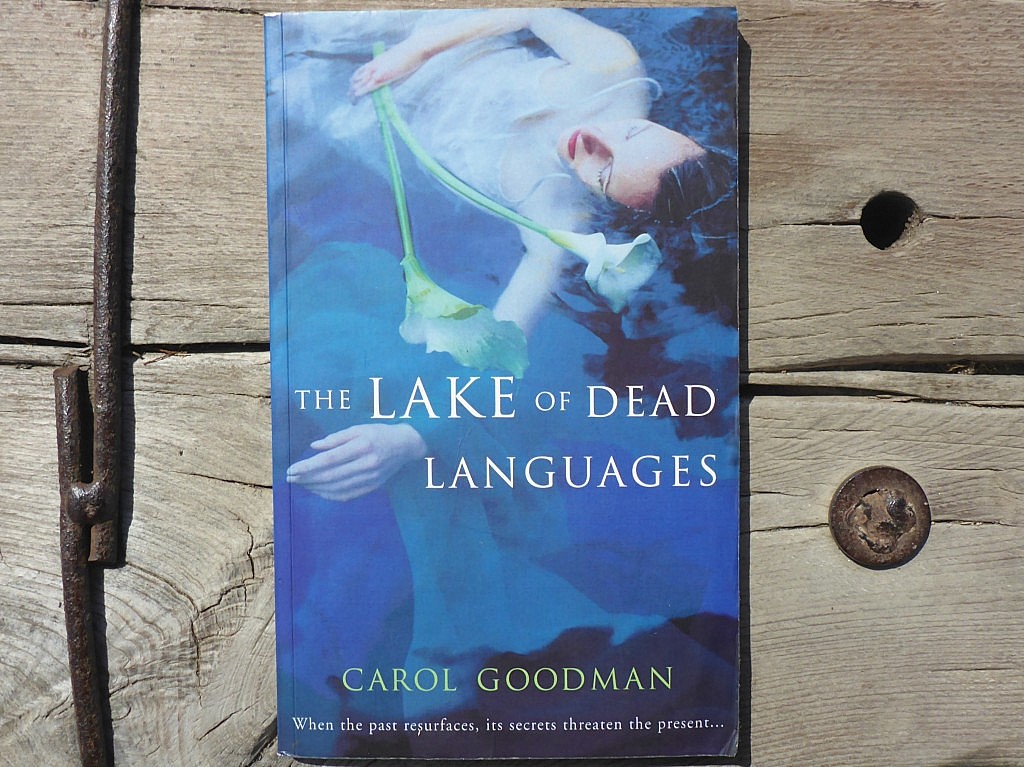
Dark Academia: Carol Goodman's debut novel 'The Lake of Dead Languages' (2002). Kind of similar vibe to Donna Tartt's 'Secret History' (1992). Set in a girl's boarding school in the Adirondacks. The 'dead language' Latin plays a central role
‘Der See in meinen Träumen ist immer gefroren’ Wie könnte man ‘Dark Academia’ beschreiben? Ich würde sagen: Eine düstere Version von Hanni und Nanni…Internats-Thriller mit mysteriösen Todesfällen, Drogen, lesbischen Beziehungen. Habe ich Ihre Aufmerksamkeit? Dachte ich mir. Der Debütroman The Lake of Dead Languages (2002) von der US-Autorin Carol Goodman ist momentan als englisches Hörbuch online. Link folgt am Ende des Posts. Der Roman wird manchmal mit Donna Tartts Dark Academia-Megaklassiker Die geheime Geschichte (1992) verglichen. Das ist etwas zu hochgegriffen, aber ansatzweise ist da was dran: Die Erzählerin Jane Hudson war einst Schülerin im Mädcheninternat namens Heart Lake School, in den abgelegenen Adirondack Mountains, nördlich von New York. In der Gegenwart, 20 Jahre später, kehrt sie als
Continue reading…
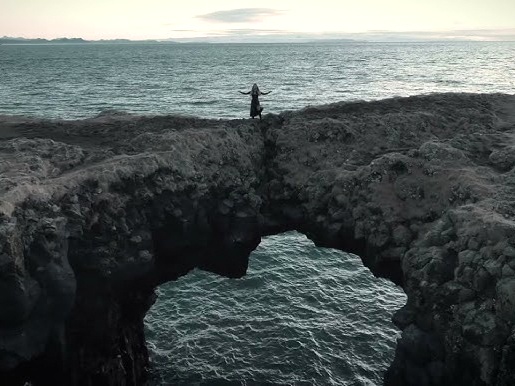
No, it's not the Queen song - this song title refers to Iðunn, the Norse goddess of eternal youth. Above, classically trained Finnish singer Elina Siirala of metal band Leaves' Eyes in Iceland on natural rocky bridge called Gatklettur, Arnarstapi
Nicht der Queen-Song! Der Songtitel bezieht sich auf Idun, die nordische Göttin der Unsterblichkeit:
Taste her apples of fortune
Your life becomes immortal
She’s appearing to me with a shining smile
Her powers ward off chaos and strife
Fair goddess, she’s the keeper of life
Her name is Idun so fair and so kind
I’ll take you to the thunder home
Up high where icy towers rule
Who wants to live forever
Who is daring to escape
From the darkness
Leave the world behind…’
.
Im Bild: Elina Siirala, die finnische Sängerin von Leaves’ Eyes. Ort: Felsenbrücke Gatklettur, Island
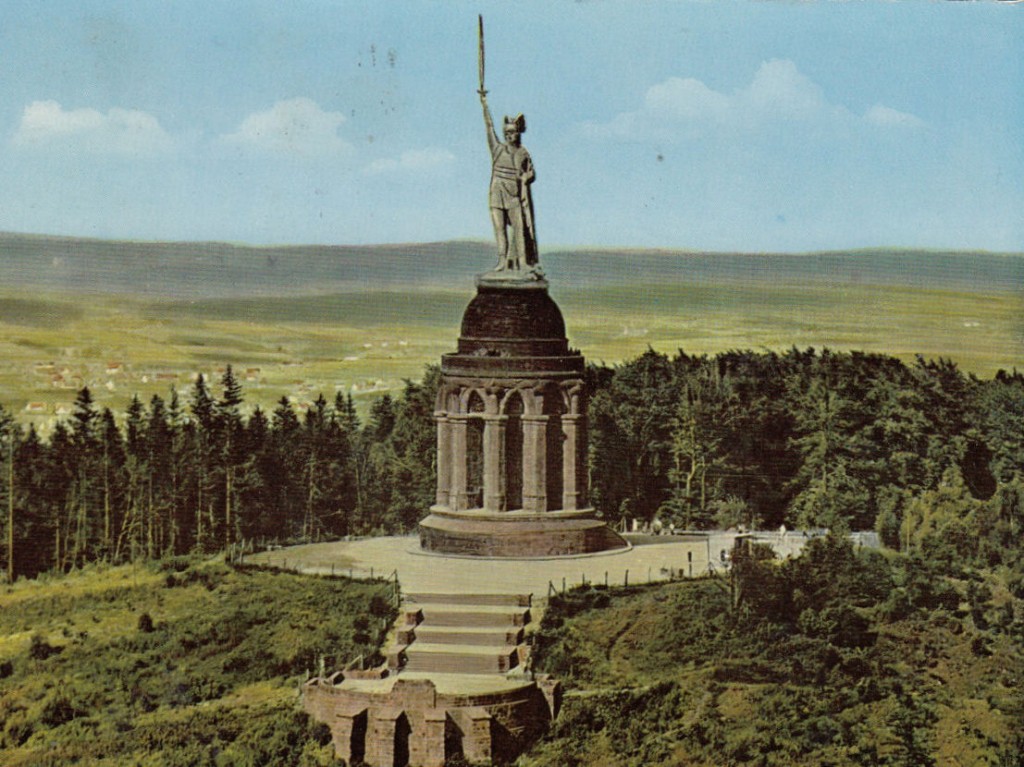
In the 1st millennium AD Germanic tribes often got beaten by a superior Roman army, as depicted in the film Gladiator (2000) see clip. But in 9 AD a Roman-educated Germanic chief called Arminius beat the Romans. He's commemorated as Hermann
Im frühen 1. Jahrtausend n. Chr. wurden germanische Stämme des Öfteren von einer technisch überlegenen römischen Armee besiegt. Wie solche Schlachten damals abliefen, wird wohl ziemlich realistisch zu Beginn des Spielfilms ‘Gladiator’ (2000) dargestellt, siehe Filmclip. Aber ein Mann, den die Römer Arminius nannten, kam und drehte den Spieß um. In der berühmten Schlacht im Teutoburger Wald wurden ca. 15.000 Römer von germanischen Stämmen besiegt, deren Zahl nur etwa halb so groß war wie die der Römer. Der Sieg war der Taktik und der List des von Römern erzogenen Arminius zu verdanken. Manche Historiker glauben, dass der Sieg in Legenden verewigt wurde: Wurde Arminius zum Mythos von Siegfried dem Drachentöter? In 1875 widmete man ihm das Hermannsdenkmal. Hier das DLF-Radiofeature (Länge: 6:36 Min)
- Musikgeschichte Elton John Autobiografie als englisches Hörbuch Hörspiele & Dokus im Netz und auf Audio-CDs
- Thriller James Patterson: ‘Ave Maria’ englisches Hörbuch online Fairport & Sandy Denny
- Akustikgitarren Von Markneukirchen nach Woodstock
- Roman Dan Browns ‘Origin’: Englisches Hörbuch & Film-Doku Ermittlungen in Devon: Unsere Lieblingskrimis von Mrs. Christie
- Irland: Das Geheimnis des Seehundbabys Geheimtipp: The Secret of Roan Inish
- Austen Biografischer Spielfilm & HR-Hörspiel 'Stolz & Vorurteil' Heiraten: Aber nur den Richtigen
- Dschungelbuch Tipps für Bücher die nicht auf Deutsch erhältlich sind
- Mystery Kate Morton: 'Das Seehaus' deutsches Hörbuch online Antiheld Heathcliff: Rückkehr des Alphatiers
- BBC-Radio Defoe: Die skandalösen Abenteuer der Moll Flanders Bücher, Filme & Musik auf Schienen
- Sprachwelt Spuren der Mythologie in der Alltagssprache
- Landleben Warum eigentlich blöde Kuh?
- Hörspiel Luther Blissett: Historischer Thriller 'Q' als WDR-Hörspiel Drei Freunde und das Geheimnis der Progrock-LP
- Goethe Faust: BBC-Hörspiel von 2010 / WDR-Hörspiel von 1952 Und ein dubioses Metallica-Album
- Thriller Michael Connelly: 'Der Poet' als WDR-Hörspiel online Dolmen Pentre Ifan: Entstand hier ein alter Film?
- Kinder Astrid Lindgren: 'Ferien auf Saltkrokan' als Hörspiel online Betrachtungen zu Astrid Lindgren
- Klassiker Vanity Fair: ‘Jahrmarkt der Eitelkeit’ BBC-Hörspiel 2004 Steinkreise in Literatur, Film & Musik
- Roman 'Die Hunde des schwarzen Todes' als englisches Hörbuch Truckin' in Andalucia
- Science-Fiction Sci-Fi, Horror & Verschwörungsfilme: Die neuen Religionen?
- Thriller Paula Hawkins: 'Into the Water' als deutsches Hörbuch 'Echoes': Auf Tauchstation im Amphitheater
- Krimi James Patterson: 'Im Netz der Spinne' englisches Hörbuch Vinyl: LP-Cover als Kunstform?
- Hörspiel König Artus: BBC-Hörspiel & Dokumentarfilm online Wales und der Mythos von Artus & Merlin
- Waldrausch Tagebuch eines Baumumarmers
- Roman M. M. Kaye: 'Palast der Winde' als BBC-Hörspiel von 2011 Woher kommen die Volkslieder?
- Kinder Blyton: 'Fünf Freunde und das Burgverlies' Hörspiel online Auf den Spuren von Enid Blyton im ländlichen Dorset
- Legendäre Gitarren & Gitarristen Nicht ohne meine Fender! Top-10 legendäre Riffs
- Thriller Tess Gerritsen: 'Abendruh' als deutsches Hörbuch online Landschaften & Legenden Britanniens
- Top-10-Musikfilme 'Heima' (2007) Sigur Ros' Hommage an Island Sigur Ros' bemerkenswerte Hommage an Island
- Musik Schumann: Die Symbolik mediterraner Myrtengewächse Down by the River
- Hörspiel Nikos Kazantzakis: ‘Alexis Sorbas’ BBC-Produktion 1993 Supper's Ready: Mit William Blake und Gebetskapseln
- Sci-Fi Michael Crichton: 'Timeline' als deutsches Hörbuch online (Deutsch)


- Medien John Fowles & Die Geliebte des französischen Leutnants
Starker Roman der mit Meryl Streep verfilmt wurde - Landwirtschaft Als Kinderbuch Thematik noch relevant?
Vielleicht ist das Thema eine Art kultureller Narrativ - Eisenbahn 80 Jahre Johnny Cash: Mit dem Zug durch Amerika
Viele seiner Lieder handeln von der Eisenbahn - Celtic St David’s Day: Ein Blick auf walisische Künstler
Für so ein kleines Land hat Wales sehr viel zu bieten - Medien Sleeping with the NME: 60 Jahre New Musical Express
Wir haben diese Musikzeitung früher viel gelesen - Gedichte Wordsworth: Naturromantik & Thriller im Lake District
Der Dichter spielt eine Rolle im Val McDermid Krimi - Landwirtschaft Bücher über die Irische Hungersnot 1845-1852
Ein Thema von dem man heute nur noch selten hört - Gitarren Verstärker: Bluesbreaker von Jim Marshall (1923 -2012)
Vom Elektrotechniker zum Rockmythos - Andalusien Mai: Unser Ausflug zu verlassenen Bergbauernhöfen
Da oben könnte man Abenteuer Filme drehen - Medien Shakespeare: Ophelia inspiriert Musik, Film & Gemälde
Die Geschichte hinter dem berühmten Bild - Krimis Dorothy L. Sayers: Lord Peter Wimsey ermittelt
Ihre Biografie und ein schönes altes Taschenbuch - Gedichte Hermann Hesse: Träume süß, alter Steppenwolf
Der Mann aus Baden-Württemberg kam gut bei Hippies an - Austen Persuasion: Jane Austens ‘Überredung’ als BBC-Hörspiel
Es gibt auch eine sehr schöne Verfilmung - Andalusien Málaga 2012: Schönste Hafenstadt der Costa del Sol
Málagas Altstadt um die Kathedrale ist wundervoll. Hier ein paar Fotos - Brontë Blick hinter die Kulissen von Cary Fukunagas ‘Jane Eyre’
Der Film mit Michael Fassbender ist sehenswert - Andalusien La Concepción: Der Geheime Garten von Málaga
Besuch lohnt sich, hier ein paar Fotos - Design Cider with Publicity: Apfelwein-Werbung mit Deep Purple
Wie das Image des Getränks modernisiert wurde - Medien Harley-Davidson Motorrad: Schottische Wurzeln entdeckt
Das kleine alte Haus am Straßenrand könnte zum Wallfahrtsort werden - Thriller Bester Film: Hitchcocks San Francisco Hommage Vertigo
1958: James Stewart ergründet das Geheimnis von Kim Novak - Gedichte Tennyson: Inspiration für Gemälde, Bücher & Musik
Loreena McKennitt machte ein schönes Lied aus The Lady of Shalott - Design Fender Telecaster: Ein Gitarrenklassiker von Leo Fender
Springsteen und Keith Richards gehören zu den Fans der Telecaster - Kinder Enid Blyton: Biografie und Spielfilm über die Autorin
Helena Bonham Carter ist exzellent als Enid - Musik Jazzklassiker: ‘Village Vanguard’ LPs von Bill Evans Trio
Wenn Sie nur zwei Jazz Alben wollen, sollten es die sein - Brontë Auf den Spuren von Jane Eyre in Derbyshire
Charlotte war in Hathersage. Genannt Morton im Roman - Medien Elizabeth Gaskell Industrieroman und Film North & South
Die Autorin war Charlotte Brontës Freundin - Sprache Gaelic Waulking Songs: Spracherhalt durch Handwerke
Falls Gälisch ausstirbt, bleiben die Lieder - Design: Alle Roger Dean LP-Cover sind gleich. Manche gleicher
Wir sammeln Progrock-LPs und in Andalusien gibt es viele - Thriller: Le Carré Klassiker ‘Dame, König, As, Spion’ im Kino
Der Originaltitel 'Tinker, Tailor, Soldier, Spy' beruht auf einem Kinderreim - Landwirtschaft in Romanen: Hardys Milchmädchen Tess wird 120
Roman mit vielen Details über Landleben im 19. Jhr. Und über Viktorianische Doppelmoral - Sci-Fi Ist Arthur C. Clarke’s Childhood’s End unverfilmbar?
Es geht um die Begegnung der Menschheit mit Außerirdischen - Megalithkultur Grey Wethers und
die Sage vom Goldenen Vlies
Unsere Fotos von den geheimnisvollen Doppel-Steinkreisen Dartmoors - Eliot DVD-Tipp: George Eliot Klassiker Middlemarch
Gute BBC Verfilmung eines englischen Literaturklassikers - Landwirtschaft In Büchern und Filmen von Astrid Lindgren
Der spezifisch ländliche Hintergrund vieler ihrer Geschichten ist bei modernen Autoren selten - Andalusien Sinatra 1964 bei Filmdreh in Costa del Sol Hotel
Besuch beim Hotel in dem der Sänger und Schauspieler Frank Sinatra war - Kinder Betty und ihre Schwestern von Louisa May Alcott
Romanklassiker, mehrfach verfilmt u. a. mit Elizabeth Taylor und Katharine Hepburn - Landwirtschaft Flora Thompson Romane Lark Rise to Candleford
Ihre Bücher über Landleben inspirierten auch Folkmusiker von der Albion Band - Eisenbahn Thriller auf Schienen: Die 39 Stufen von John Buchan
In dem klassischen Spionage Thriller spielt die Eisenbahn eine Rolle - Tolkien Mittelalterliche Musik inspirierte BBC-Hörspiel The Hobbit
Alle reden vom Film, aber das Hörspiel hat ebenfalls einen interessanten Hintergrund - Sci-Fi P. K. Dick: Ursprung des Sci-Fi-Klassikers Blade Runner
Woher bekam er diie Idee von menschlich fühlenden Androiden? - Sprache Down by the River: Was Fluss und Ortsnamen verraten
Die Namen sind oftmals Jahrtausende alt - Design AEC Routemaster Bus: Londons klassischer Doppeldecker
Kam sogar in einem Beatles Film vor - Folk Sandy Dennys Familienwurzeln in den Schottischen Inseln
Die ehemalige Sängerin von Fairport Convention - Megalithkultur News: Stonehenge Herkunftsort in Wales gefunden!
Der Ort liegt sehr abgelegen, aber wir waren da - Filmwelt Retteten King Kong und Godzilla die HDR-Verfilmung?
Wir haben Peter Jacksons Biografie gelesen - Celtic Walisische Sagen im Film: The Owl Service von Alan Garner
Kultiger englischer TV-Film von 1969 - Austen Cricket Connection von Jane Austen und ihrer Familie
Jane kannte den Sport gut, erwähnt ihn im Roman - Andalusien Costa del Sol mal anders: Der Berg La Concha
Wir lmögen diesen Berg der überall sichtbar über Marbella ragt - Eisenbahn LP-Cover, Filme & Bücher auf Schienen
Stephen Stills': Rockklassiker mit einem LP-Cover das eine Eisenbahn-Story hat. - Design Klassisches ‘Nonic’ Pint Bierglas
Die ungewöhnliche Form englischer Gläser hat praktische Gründe - Musik Frank Sinatra: Ein Blick auf die Reprise Jahre
Er prägte die Popkultur der frühen 50er. Aber auch spätere Aufnahmen haben viel für sich - Thriller Ein Bier für John Mills: ‘Eiskalt in Alexandrien’
Eine etwas andere Art von Kriegsfilm - Design Citroën DS: Auto Klassiker in Rock Video verewigt
Unsere Eltern hatten mal eins von diesen Wunderwerken - Musik Flamenco-Gitarrist Daniel Casares: El Ladrón del Agua
Könnte auch Pat Metheny Fans gefallen - Eisenbahn Telegraph Road: Spaziergang mit Industriegeschichte
Was passiert eigentlich mit ausrangierten Schienen? - Gedichte John Keats: Die schöne und gnadenlose Fee im Walde
Mit Gemälde & musikalischer Interpretation - Landwirtschaft Am grünen Rand der Welt: Hörspiel nach Hardy
Far from the Madding Crowd gefiel uns auch als Film - Musik Hank Williams: Sänger, Liederschreiber und Legende
Sogar Grateful Dead mochten Hanks Lieder - Celtic Roman: St.Kilda und der Missionar des 19. Jahrhunderts
Schottische Insel die nach Tausenden von Jahren evakuiert wurde, Ende - Brontë BBC-Doku über die Pianomusik der Brontë-Schwestern
Die drei Autorinnen waren musikalisch, hier sind die Lieder die sie spielten - Design Avro: Mysteriöser Helikopter in Hitchcocks 39 Stufen
Prototyo eines Hubschraubers den Hitch 1935 verewigte hat Verbindungen zum Ufo Mythos - Design Audi: Brite erfand ‘Vorsprung durch Technik’ Werbung
Die Engländer haben einen guten Dreh beim Marketing - Musik Astral Weeks: Van Morrisons irisches Tagebuch
Zu Recht als eins der besten Alben der Rockgeschichte eingestuft - Filmwelt Noah: Sintflut als epischer Spielfilm mit Russell Crowe
Der Stoff hat durchaus historische Verbindungen - Medien Enigma Variation: Prinzessin Dianas Vinyl LPs gefunden
Und ihr Musikgeschmack war ganz gut - Kinder Blyton: 70 Jahre Fünf Freunde erforschen die Schatzinsel
Der erste Band der Abenteuerserie erschien 1942 - Eliot Deutschlandreise: George Eliot 1854 in Weimar und Berlin
Die Autorin von 'Middlemarch' recherchierte mit ihrem Mann das Leben von Goethe - Medien Dietrich Fischer-Dieskau: CD + DVD, und Buchtipp
Gute Geschenkidee Ifür Klassik-Fans - Gedichte William Blake: And did those feet in ancient time
Englands de facto Nationalhymne basiert auf der Legende dass Jesus das Land besuchte - Kinder Rasmus & Co: Astrid Lindgrens Außenseiterthematik
Bedeutet Freiheit dass man nichts mehr zu verlieren hat? - Medien Narnia: C S Lewis Autobiografie ‘Überrascht von Freude’
Die offenherzigen Einblicke in die Gefühlswelt des Autors überraschen ebenfalls - Medien Große Erwartungen: Auf Charles Dickens Spuren in Kent
Glückliche Kindheitserinnerungen und Orte die in seinen Romanen auftauchen - Kinder L. M. Montgomery: ‘Anne of Green Gables’ BBC-Hörspiel
Die kanadische Autorin inspirierte Astrid Lindgren - Celtic Bronzezeit: Die irische Legende der Kinder von Lir
Gibt es Verbindungen zur antiken Kupferproduktion - Medien 200 Jahre Grimms Märchen Der Heros in 1000 Gestalten
Die Sammlung von 1812 inspirierte 2012 den Erfolgsfilm 'Snow White and the Huntsman' - Filmwelt: George Lucas und der Avantgardefilm 21-87
Experimenteller Film von 1964 inspirierte das Konzept der 'Macht' in Star Wars


